

Scale what matters
Technology is moving faster than the institutions meant to guide it. Artificial intelligence, automation and new materials can transform how we produce, build and care for one another. But the benefits are not arriving evenly, and the risks are not shared fairly.
We see it in three ways.


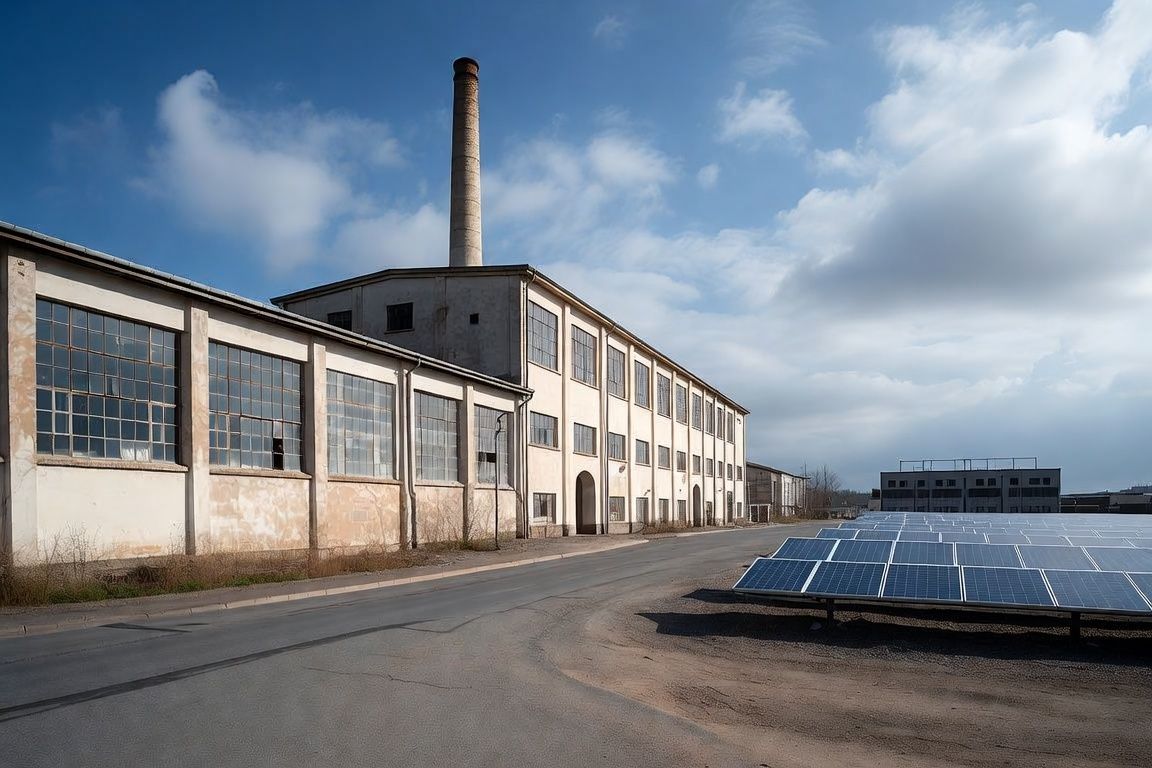
People are on the move, and industry is not ready. War, drought and collapsing livelihoods are pushing millions across borders, while ageing economies run short of the very skills newcomers bring. The mismatch is structural: qualifications go unrecognised, training systems are built for a workforce that no longer exists, and labour markets take years to open to people who are ready to work now. Factories and cities that cannot absorb change will not survive it.
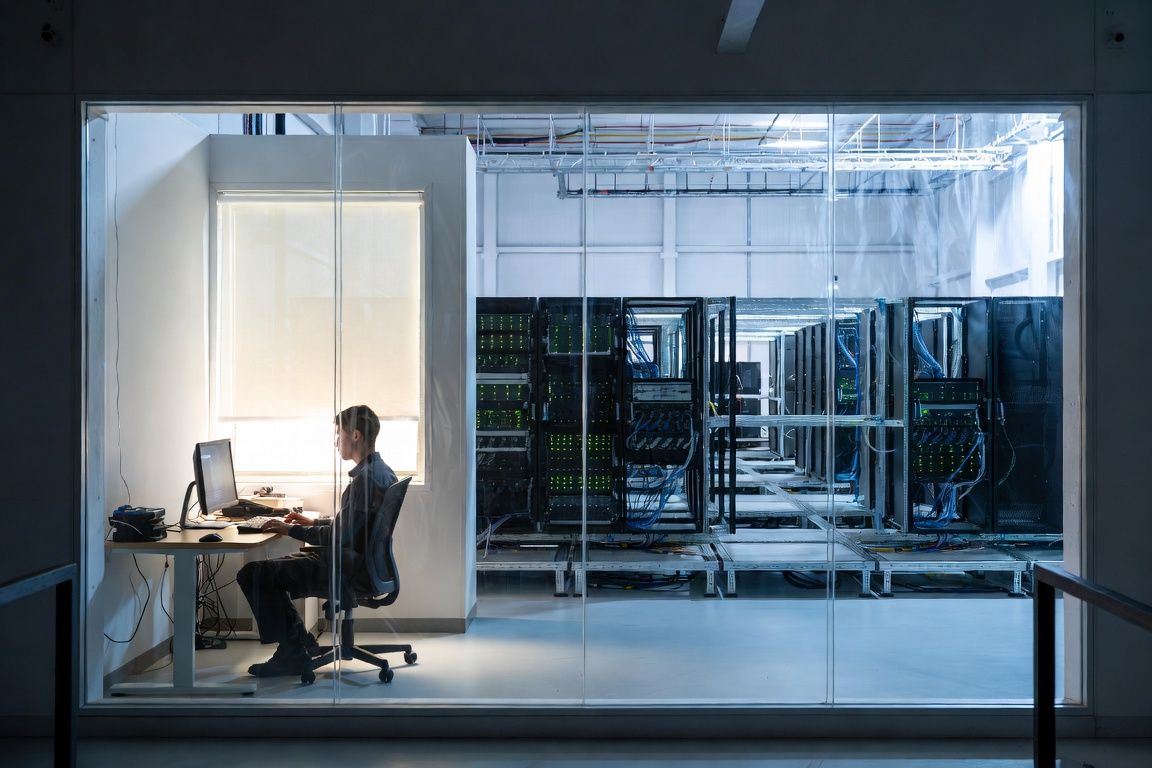
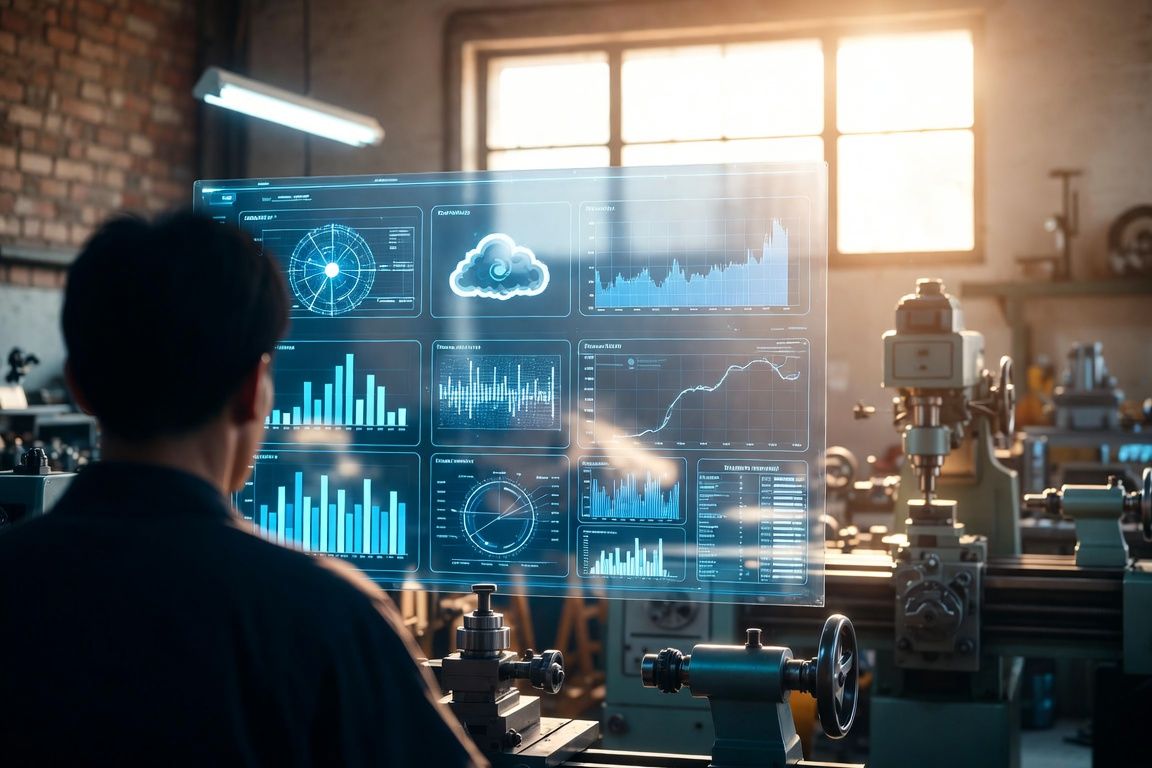
Digital capability is concentrating. The compute, the data and the most capable AI systems now sit with a small number of organisations, and the gap between them and everyone else is widening. City governments, public services and family-owned manufacturers increasingly run on infrastructure they do not own, cannot inspect and would struggle to replace. At that scale, dependence is no longer a technical detail; it shapes how much a region can decide for itself.
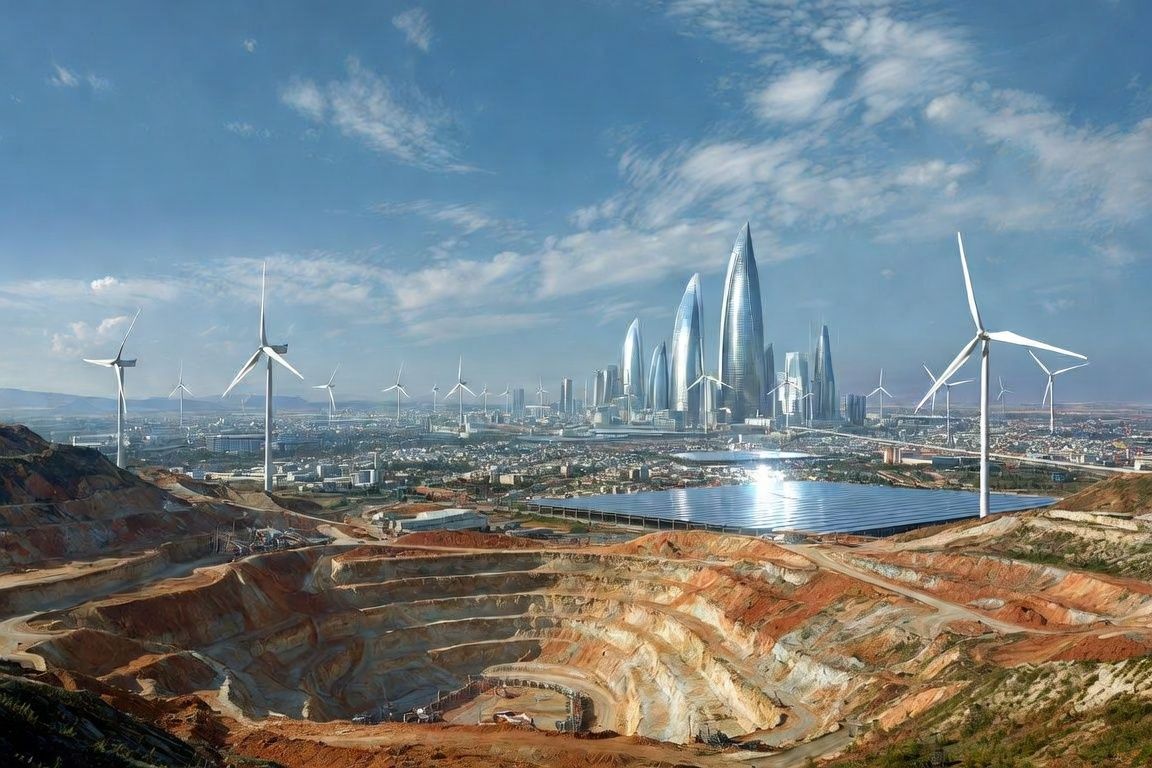
Resources and opportunity are unevenly shared. Energy, critical materials, capital and expertise flow to where returns are highest, not where needs are greatest. Regions that supply the raw materials of the transition are often the last to benefit from it, and communities that carried the old industrial economy often bear the costs of the new one. A transition that leaves them behind is not sustainable, whatever its carbon figures say.
Industry 5.0 is a response to all three. It places human wellbeing, sustainability and resilience at the centre of technological transformation, and it asks a harder question than “how fast can we scale?”: what is worth scaling at all?
That is why the World Industry 5.0 Forum exists. Not to add another conference to the calendar, but to make progress measurable: positions cities and companies can compare, commitments that can be tracked, and pilots that have proven their worth and deserve to grow.
Scale what matters.
Crisis by crisis, the Sustainable Development Goals are drifting further out of reach. Just 36 per cent of the 139 assessable SDG targets are on track or making moderate progress, and 15 per cent have gone into reverse.
…technology serving humanity — not the other way around. Artificial Intelligence must reduce inequalities and mitigate the environmental impacts — not multiply them.
“Our mission is clear: to accelerate progress at scale and speed.”
Voices from our previous events
Speakers at events convened by Sustainable Intelligence.
Thomas J. Sargent
Nobel Laureate in Economic Sciences
Senior Fellow, Hoover Institution, Stanford University; William R. Berkley Professor of Economics and Business, NYU
Klaus F. Zimmermann
Member, Leopoldina and Academia Europaea
President, Global Labor Organization; Co-director, UNU-MERIT
Guo Huadong
Academician, Chinese Academy of Sciences
Fellow, TWAS; former Director, CAS Institute of Remote Sensing and Digital Earth
Asunción Gómez-Pérez
Royal Academy of Engineering of Spain
Vice-Rector for Research, Innovation and Doctoral Studies, Universidad Politécnica de Madrid; National Advisory Council on AI
Ronald Hall
Chevalier de la Légion d’honneur
Chief Advisor to the Deputy Director-General, DG REGIO, European Commission; Academician, Academy of Social Sciences
Shi Dinghuan
Counsellor of the State Council of China
Chair, China Renewable Energy Society
Dirk Fransaer
Member, Royal Flemish Academy of Belgium
former Managing Director, VITO; former Director General ad interim, LIST
Piet Herdewijn
Member, Royal Academy of Medicine of Belgium
Full Professor and Director, Laboratory of Medicinal Chemistry, Rega Institute, KU Leuven
What we stand for
People first
Technology is judged by what it does for the people who work with it and live alongside it. Human wellbeing is the first of the five dimensions, not an afterthought.
Evidence over promises
Every position, commitment and award at the Forum rests on evidence that can be checked. Claims without evidence do not count.
Independent and non-partisan
Convened by a non-profit research institute. Sponsors have no role in judging or in the agenda. Cities, companies and researchers meet as equals.
No region left out
A new host city each edition, a Residency Programme shaped by each city’s capacity, and room for SMEs and one-person companies alongside global players.
Accountable for our own footprint
Measured and reduced, by design: we cut emissions first and measure the summit’s footprint in real time; remaining emissions are addressed by financing verified climate projects, reported separately and never counted as reductions.
Where to go next
- Host an editionBring the Forum and the Residency Programme to your city, tailored to your capacity.Explore hosting
- Partner with usShape the agenda and connect with cities, industry and capital.Request the partner pack
- Take partBring a challenge, present a solution or join the conversation.Get involved
- Submit researchShare evidence-based work through a two-stage peer review.View the call
Convened by

The World Industry 5.0 Forum is convened by Sustainable Intelligence, a private research institute and member of the European Commission’s Industry 5.0 Community of Practice and the European AI Alliance, and an observer of the ICMA Principles.
Sustainable Intelligence ASBL
Research, shared methodologies, public-interest governance and institutional collaboration.
SUSTIN C.I.C.
AI and intelligence products, implementation and enterprise services. Develops the Forum’s website and AI features, including i5Guide.

 UN SDG Acceleration Actioni5Benchmark is approved by UN DESA as an SDG Acceleration Action and published on the UN SDG Actions Platform as #SDGAction49212.
- European Commission Industry 5.0 Community of PracticeThe Forum’s convenor, Sustainable Intelligence, is a member of the European Commission Industry 5.0 Community of Practice as a private research institute, and a member of the European AI Alliance.
- ICMA Principles observerSustainable Intelligence is an observer of the Principles administered by the International Capital Market Association (ICMA).